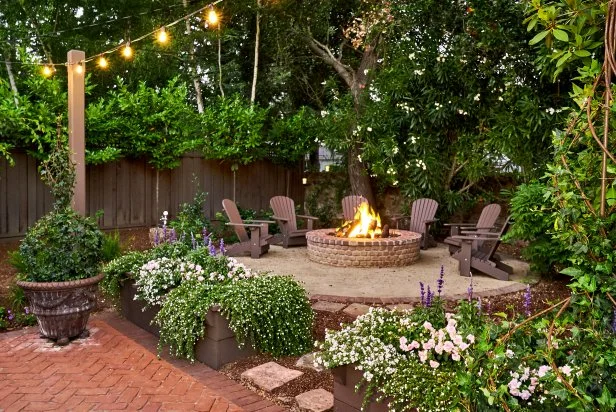
A thoughtfully designed backyard is more than an extension of your home—it is a sanctuary, a gathering place, and a living canvas shaped by nature. In today’s fast-paced world, homeowners increasingly seek outdoor spaces that provide tranquility, beauty, and functionality. Backyard landscaping offers the perfect opportunity to blend natural elements with creative design, transforming ordinary yards into inspiring retreats.
Let us delve into sophisticated backyard landscaping concepts, offering valuable insights for those keen on outdoor renovations. By understanding how to harmonize plants, materials, and layout, you can create an outdoor space that feels both intentional and effortlessly organic.
Embracing Natural Flow and Layout
Successful backyard landscaping begins with a clear vision of how the space will be used. Consider whether your yard will serve primarily as a relaxation zone, entertainment area, garden haven, or a combination of all three. Rather than imposing rigid structures, allow the natural contours of your land to guide your design. Curved pathways, gently sloping garden beds, and layered planting arrangements create a sense of movement and authenticity.
Dividing your backyard into functional zones can enhance usability without disrupting visual harmony. For instance, a dining patio might transition seamlessly into a grassy lawn, followed by a secluded garden nook. By using plants, stone borders, or subtle elevation changes to define areas, you maintain openness while introducing structure.
Selecting Native and Complementary Plants
Incorporating nature’s beauty means working with plants that thrive in your local climate. Native species are particularly beneficial because they require less maintenance, support local wildlife, and adapt well to regional conditions. A mix of trees, shrubs, perennials, and ornamental grasses can create a layered effect that mirrors natural ecosystems.
Tall trees provide shade and vertical interest, while mid-sized shrubs add density and privacy. Flowering plants introduce seasonal color, ensuring your yard evolves throughout the year. Consider textures as much as colors—feathery grasses, glossy leaves, and rugged bark all contribute to a dynamic landscape.
Strategic planting also encourages biodiversity. Pollinator-friendly flowers attract bees and butterflies, while berry-producing shrubs may draw birds. A lively backyard filled with natural visitors feels vibrant and connected to the broader environment.
Integrating Hardscape with Softscape
A balanced backyard design blends softscape (plants and greenery) with hardscape (patios, walkways, walls, and other structures). The key is to select materials that complement the natural setting. Stone pathways, wooden decks, and gravel seating areas create structure without overwhelming the landscape.
Natural stone pavers can meander through gardens, encouraging exploration. A wooden pergola draped in climbing vines offers shade and architectural charm. Even simple features, such as a low retaining wall made from stacked stone, can add both function and rustic appeal.
When choosing materials, aim for colors and textures that reflect your surroundings. Earthy tones, weathered finishes, and organic shapes help maintain a cohesive aesthetic. The goal is to create a space where hard elements enhance rather than dominate the greenery.
Water Features and Sensory Appeal
Nothing elevates backyard landscaping quite like the soothing presence of water. A small pond, fountain, or cascading waterfall can transform the atmosphere, adding sound and movement. Water features encourage relaxation and can serve as focal points within the design.
Beyond visual beauty, consider the sensory experiences your backyard offers. Fragrant plants such as lavender or jasmine add an aromatic dimension. Wind chimes or rustling ornamental grasses create gentle soundscapes. Textured surfaces, from smooth pebbles to soft moss, invite tactile exploration.
Lighting also plays a crucial role. Soft, warm lights placed along pathways or beneath trees can highlight features and extend usability into the evening. Well-designed lighting emphasizes natural forms rather than overpowering them.
Creating Outdoor Living Spaces
Modern backyard landscaping often integrates comfortable outdoor living areas. By incorporating seating, fire pits, or outdoor kitchens, you encourage year-round enjoyment. Position seating areas to capture scenic views or provide shelter from prevailing winds.
A fire pit surrounded by natural stone creates a cozy gathering space, perfect for cool evenings. Comfortable, weather-resistant furniture in neutral tones complements the greenery. Adding cushions or throws in earthy shades can subtly echo surrounding plant colors.
Outdoor dining areas benefit from partial shade, whether provided by trees, pergolas, or umbrellas. Placing these features near the house ensures convenience while maintaining an open-air ambiance.
Sustainable Landscaping Practices
Sustainability is central to incorporating nature’s beauty responsibly. Thoughtful irrigation systems, rainwater collection barrels, and drought-tolerant plants reduce water consumption. Mulching garden beds helps retain moisture and suppress weeds.
Composting kitchen scraps and yard waste enriches soil naturally, minimizing reliance on chemical fertilizers. Permeable paving materials allow rainwater to seep into the ground rather than creating runoff. By prioritizing environmentally friendly methods, you create a backyard that supports ecological balance.
Personal Expression and Final Touches
While nature guides the foundation of backyard landscaping, personal touches bring it to life. Sculptures, decorative planters, or handcrafted benches can reflect your personality without overwhelming the design. The key is moderation—select a few meaningful accents that complement the natural setting.
Seasonal updates keep the landscape fresh. Rotating container plants, adding new flowering varieties, or rearranging outdoor décor can refresh the space without major renovations. Over time, your backyard evolves organically, just like the natural world it reflects.
Conclusion
Backyard landscaping is an artful balance between design intention and natural beauty. By embracing native plants, integrating harmonious materials, and incorporating sustainable practices, you can craft an outdoor environment that feels timeless and inviting.
When thoughtfully planned, your backyard becomes more than just a yard—it becomes a living extension of your home, offering comfort, inspiration, and connection to nature. With patience and creativity, you can transform your outdoor space into a serene retreat that celebrates the enduring elegance of the natural world.